
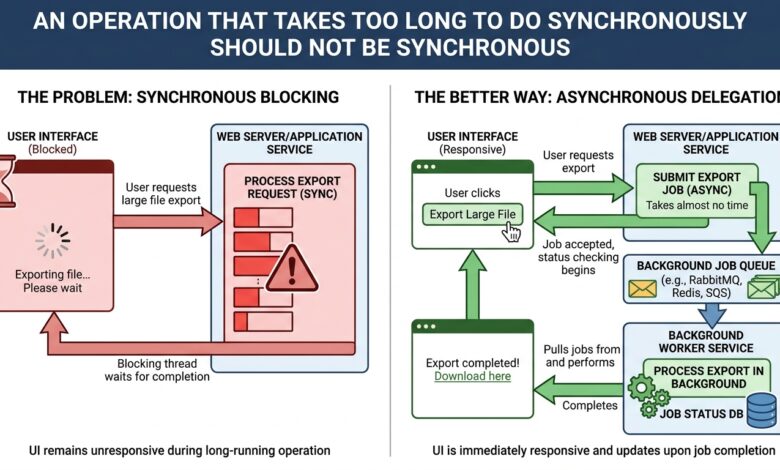
When a request triggers work that takes longer than a client can reasonably wait, doing it synchronously ties up the…
Read More »
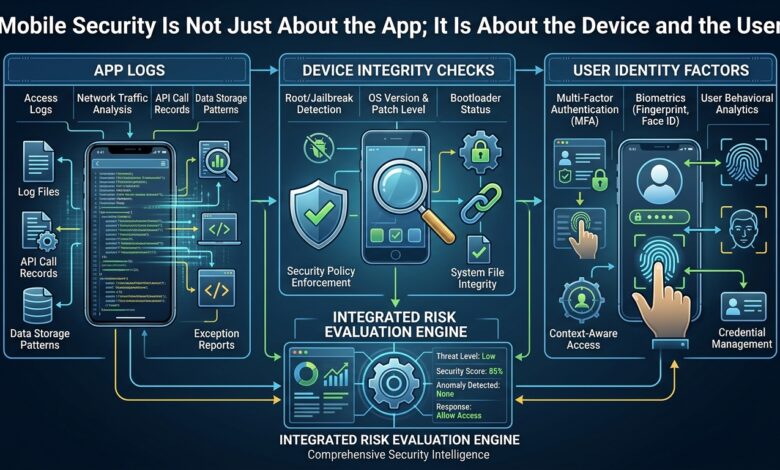
A mobile app runs on a device the user controls and in an environment the developer does not fully control,…
Read More »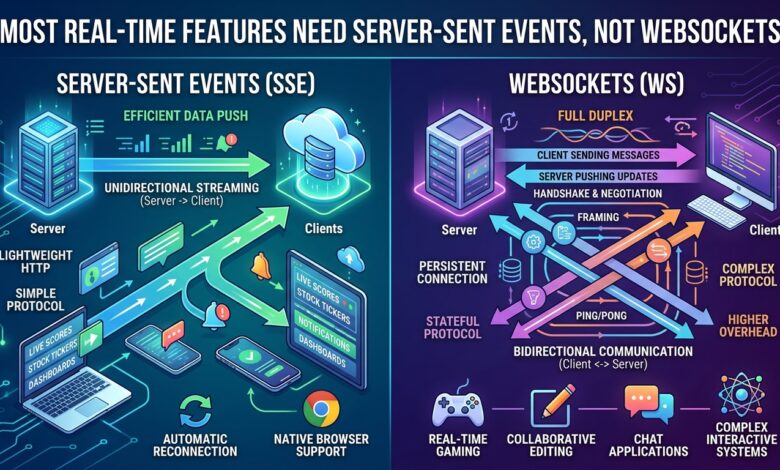
WebSockets provide full bidirectional communication. Most real-time features only need the server pushing updates to the client, which is a…
Read More »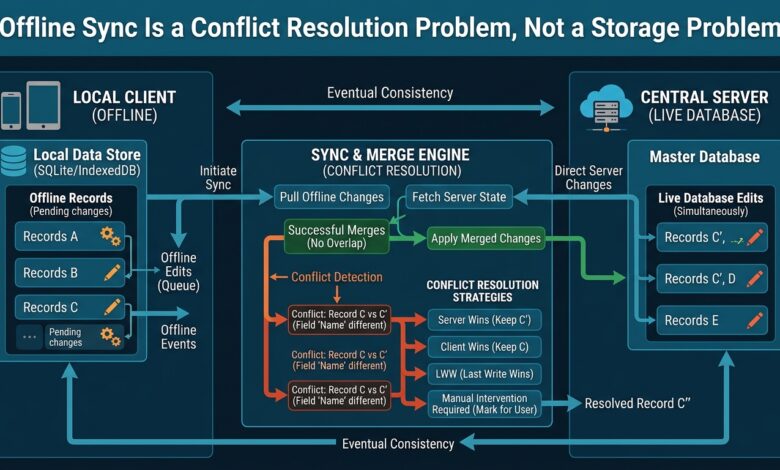
Caching data locally is the easy part. Deciding what happens when the same record changed on two devices is where…
Read More »
The rendering strategy debate is really about trade-offs, and the right choice depends on what the page needs — client-side…
Read More »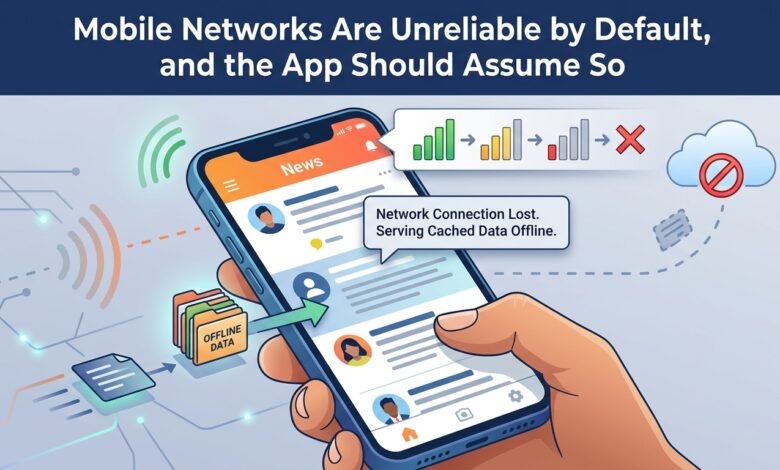
Mobile connections drop, slow down, and change networks constantly, and an app that assumes a stable connection will fail in…
Read More »
URL versioning is the most visible and least subtle way to version an API, which is exactly why it is…
Read More »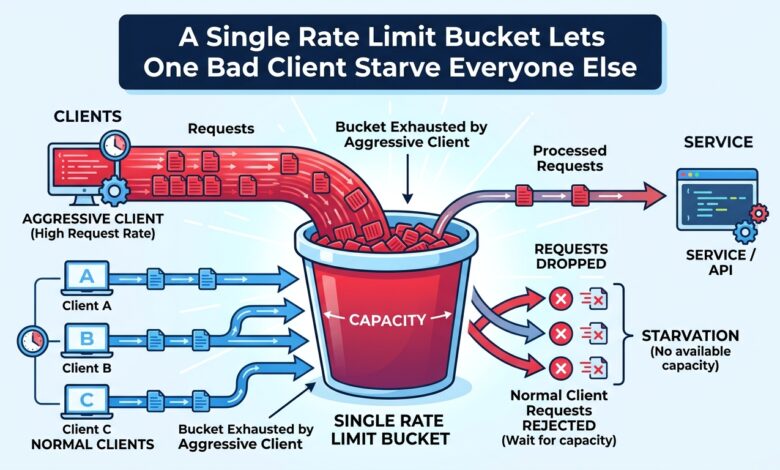
Limiting total requests per second protects the server and does nothing to stop one misbehaving client from consuming the entire…
Read More »
Accessibility is much cheaper and more effective when it is part of the design from the start, and retrofitting it…
Read More »
The hard part of offline sync is not storing data locally — it is deciding what happens when the same…
Read More »